
Hollywood Neighbors by Public Source
Each official source describes a different layer of a Hollywood block. The Broward County Property Appraiser map is the best first stop because it lets a reader move from one parcel to those beside it. Parcel cards describe owners, land, structures, exemptions, and sales. Recorded documents add deeds, mortgages, liens, and plats. City files show public permit or code facts. Civic lists provide association contacts, not household membership.
| Source | What It Shows About a Block | Access and Limit |
|---|---|---|
| BCPA Web Map | Parcel outlines, adjacent folios, owners, values and transfers | Free; titleholders only |
| BCPA parcel cards | Situs, mailing address, exemptions, structure and sales | Free; one parcel at a time |
| Broward Official Records | Deeds, mortgages, liens and plats | Modern index online; older records need fallback |
| Hollywood permits and code | Address-keyed work, status, cases and hearing evidence | Accela, legacy BCLA, agendas or request |
| Voter information | Public registration fields and participation history | Protected data withheld; no ballot choices |
| Civic associations | Public officers, contacts, meeting places and status | Voluntary groups; no resident roster |
Owner and occupant are not synonyms. A matching situs and mailing address, plus a homestead exemption, may support owner occupancy, but it still cannot name every person in the home. A different mailing address may suggest an absentee owner. It does not identify a renter.
Walk Hollywood Parcels Next Door
BCPA's Web Map provides an exact adjacent-parcel method. It avoids searching a whole street when the real question concerns only the homes beside or behind one property.
- Choose Search By Address and enter the house number plus street name. Omit compass direction and street type as the map directs.
- Select the matching result, then zoom until parcel polygons and the street segment appear.
- Note the subject folio and situs address. Click the polygon east, west, north, or south to load the next assessment summary.
- Use Collect Parcels for a small group. Use Unselect Parcel if an unrelated lot was added.
- Open each parcel card to compare mailing and situs addresses, exemptions, sales, and building details.
The flow is simple: address to parcel, parcel to adjacent folio, folio to parcel card, then owner name to any relevant deed. Condo parcels and shared land can make the map more complex than the view from the street. For an entire named road, shift to the Hollywood street directory.
Check Hollywood Block Activity
A parcel map is a snapshot, so dates matter. Recent sales on BCPA and deeds in Broward Official Records can explain a change in title. Hollywood permits can document construction, repairs, certificates, and inspection status. Code agendas may list a property address, cited section, and case number. Those records describe the parcel or proceeding, not the private lives of Hollywood neighbors.
Permit searching is split. New applications moved to Accela in August 2026, while older BCLA identifiers remain in the legacy system. A no-result in one portal is inconclusive. Search the other system, then ask Hollywood Records and Archives about noncurrent files if needed. Some archived plans and permit histories reach back to 1949 and may name builders or architects, but they are evidence of work on a structure rather than a household list.
Portal tip. Check Accela, legacy BCLA, and City Archives before treating a missing Hollywood permit result as final.
Hollywood Neighborhood Contacts in Public
Hollywood maintains a city association contact list with organization names, public officers or contacts, mailing addresses, meeting details, and status notes. It includes civic groups such as Boulevard Heights, Driftwood, Hollywood Beach, Hollywood Hills, Hollywood Lakes, Liberia, Park East, Playland Estates, and Washington Park, along with many condo and homeowners associations. Some entries are inactive. One entry notes that its meetings are not open to the public, so a listed contact never guarantees access.
Start with the Hollywood Neighborhood Association Contact List.
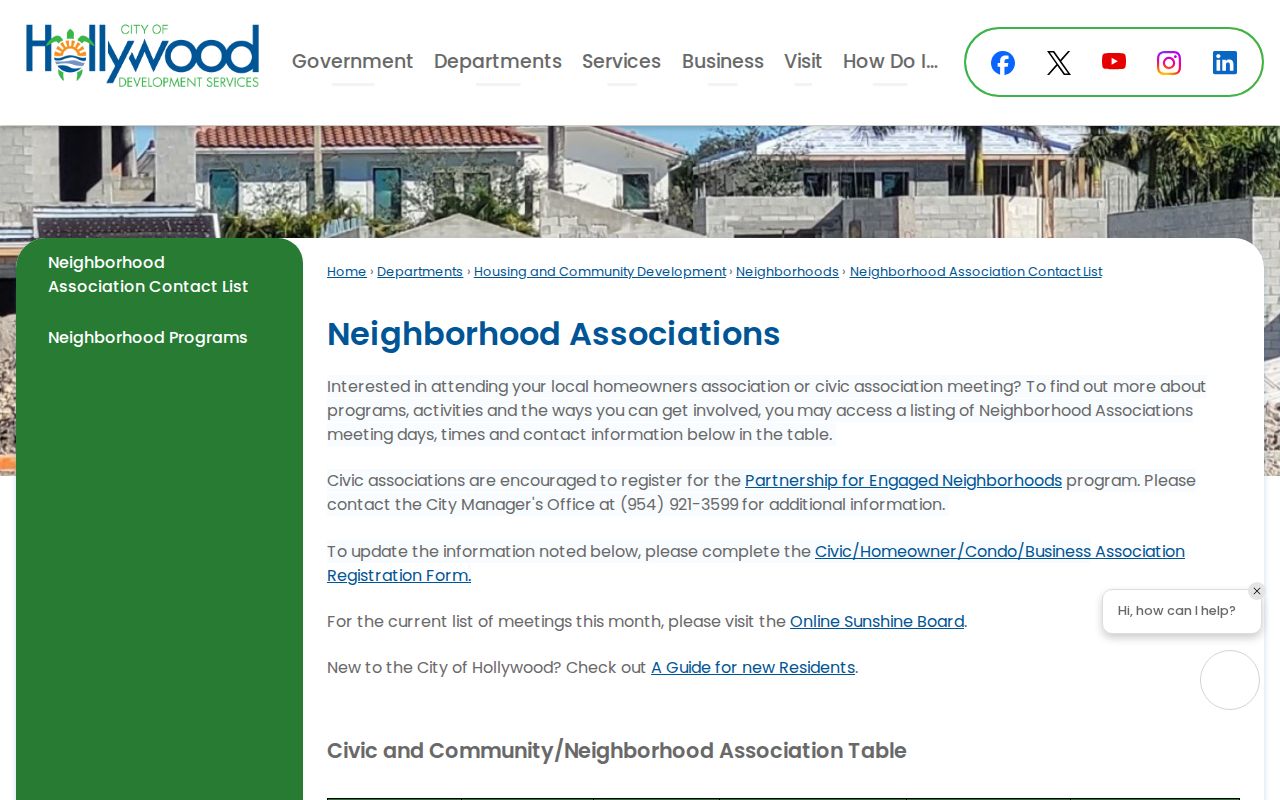
The directory is useful for identifying the group serving an area. It publishes contact channels, not a list of neighbors or members.
| Community Layer | Public Information | Responsible Use |
|---|---|---|
| City contact list | Officer, meeting, mailing and status details | Find the public contact for an area |
| PEN participants | Registered associations and public leaders | Check current city recognition |
| Independent civic or HOA site | Varies by group | Read public boundaries, events and board contacts |
| Condo entries | Public contact metadata | Find management or a published meeting route |
Hollywood PEN Links Civic Neighbors
The Partnership for Engaged Neighborhoods, or PEN, is a City initiative that recognizes registered civic associations and links residents, public staff, and elected officials. Associations stay independent and are expected to update the City when boards change. The PEN program page explains that relationship.
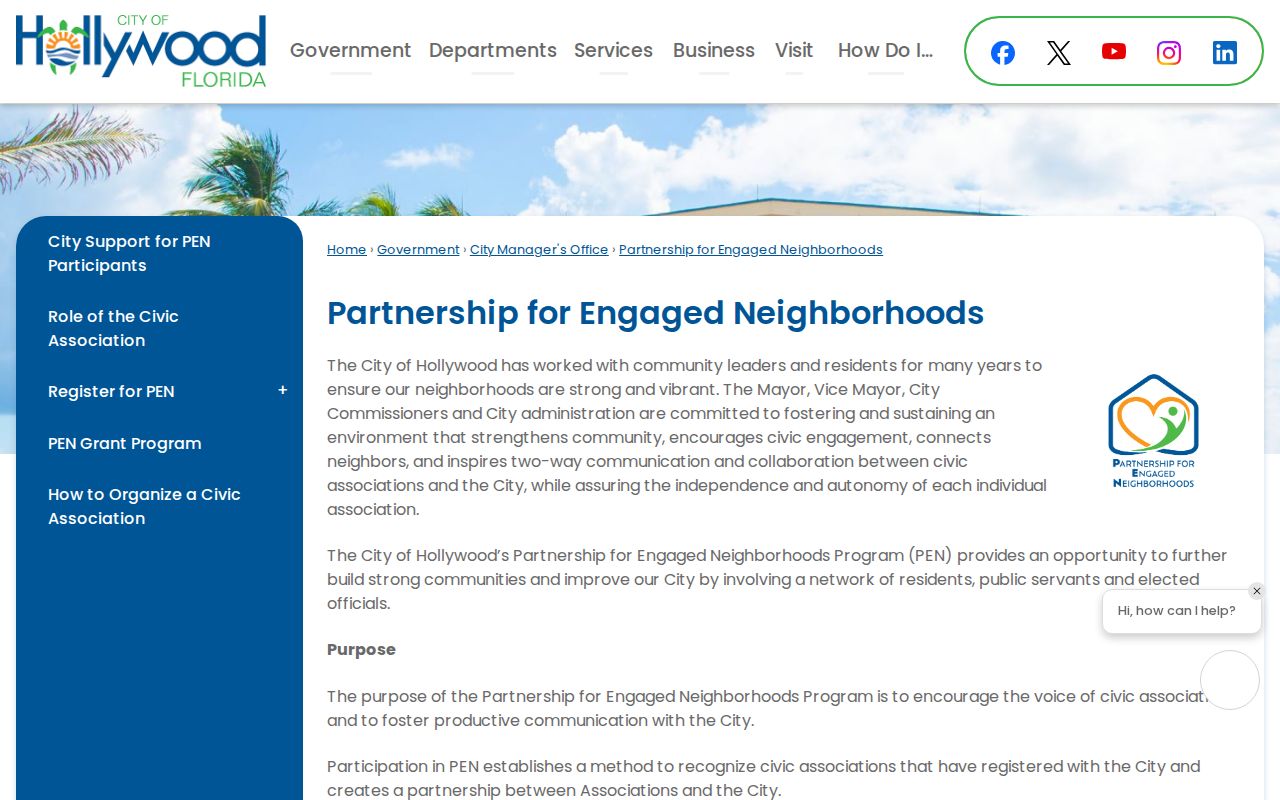
The program gives neighbors a civic route without turning an association into a city agency.
The registered PEN participant roster helps confirm which associations currently take part.
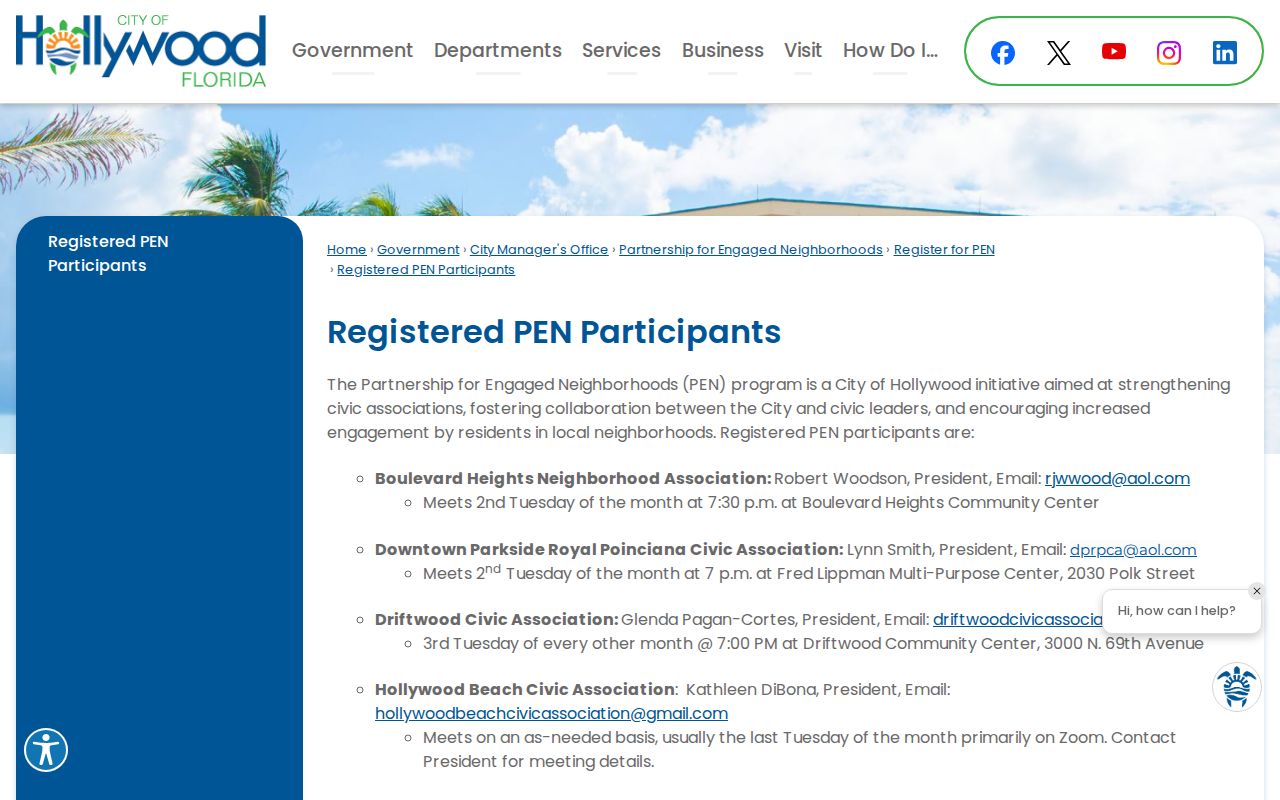
Use the published leader or meeting channel. Do not infer that every household inside a stated boundary is a member.
How Hollywood Civic Lists Form
City guidance for organizing a civic association recommends defining boundaries, recruiting three to five neighbors, canvassing, gathering contact details from consenting residents, and holding meetings for bylaws and elections. That is a useful local quirk: a group may create a working membership list, yet the list belongs to the independent group and does not become a public city directory of every household.
The official civic association guidance lays out that process.
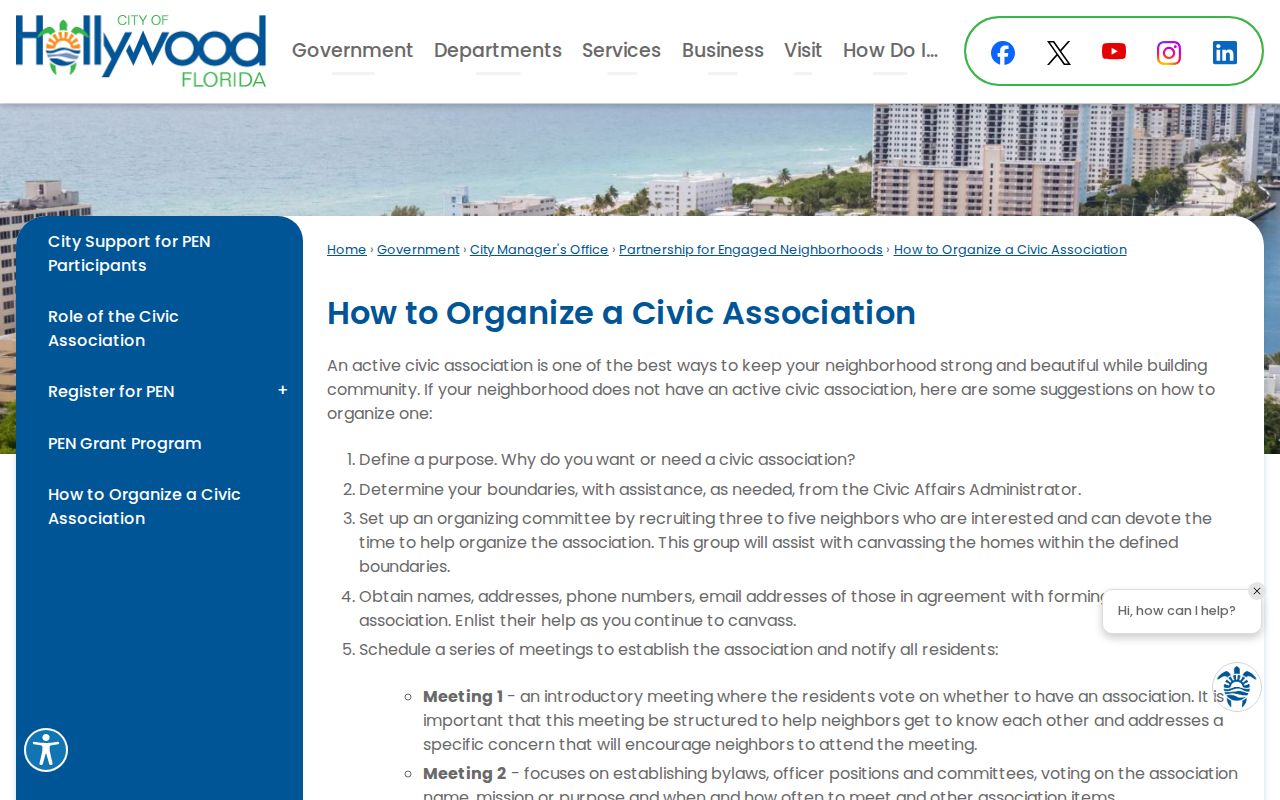
Consent is central to the suggested canvass. A public association contact is not permission to seek or publish its private member data.
Hollywood Voter Data Is Not a Roster
Florida treats many voter fields as public, including name, address, date of birth, party, contact fields, registration data, and voting history, subject to exemptions. A signature may be viewed but not copied. Social Security, driver-license or state-ID numbers, and the application source are withheld. Voting history shows whether someone took part, never the chosen candidate or marked ballot.
The Broward Supervisor of Elections accepts voter-list data requests and can provide a scoped electronic report when producible. The individual status tool is not a street browser. Florida also produces a monthly statewide voter extract for active and inactive voters. The state voter extract request must arrive before production and uses physical disk or pickup rather than email delivery.
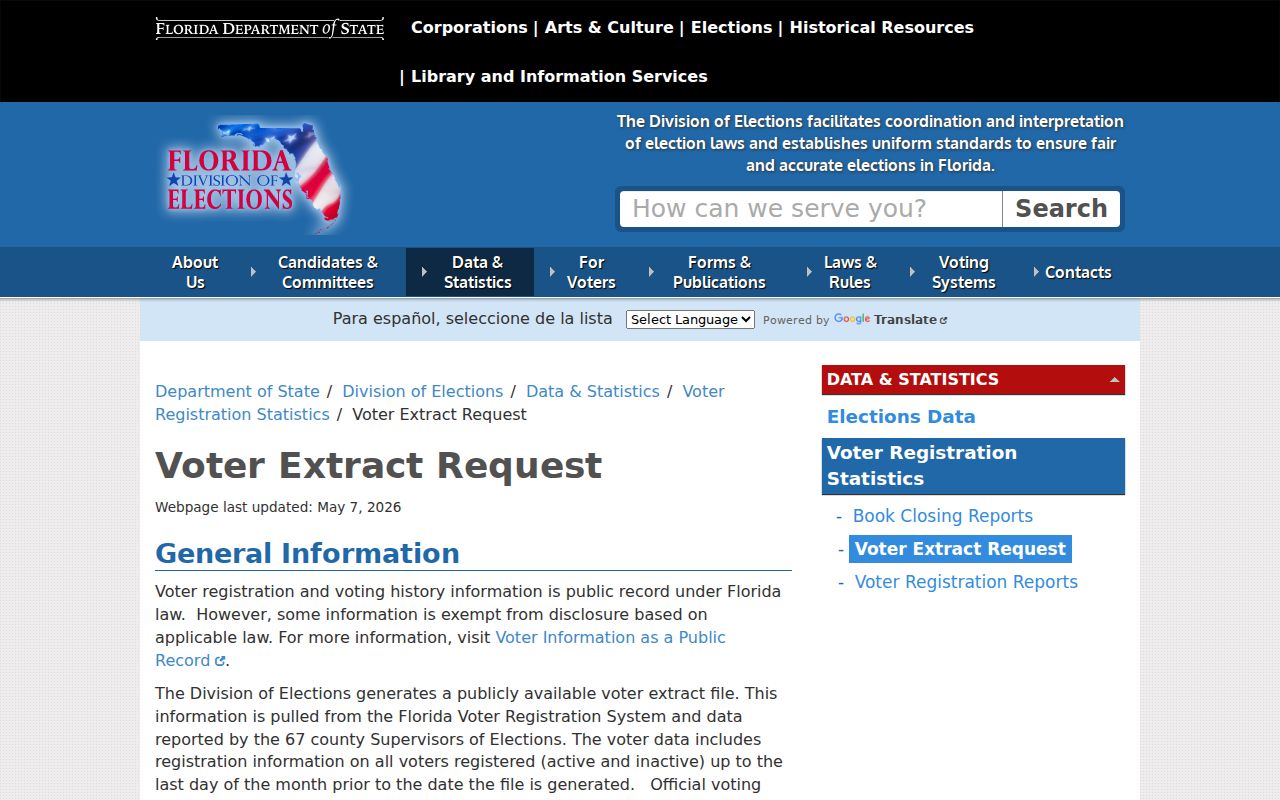
The screen reinforces that a public file is a formal request product, not a live map of every Hollywood neighbor. Protected addresses must remain excluded.
Official Hollywood Rolls Beat Guesswork
Commercial neighbor tools compile public and commercial data. They may merge people, retain old addresses, or place a person at a mailing address. Official sources are narrower but make the keeper, field meaning, and correction route clear.
| Question | Official Record | Commercial Compilation |
|---|---|---|
| Who owns the next parcel? | BCPA names the titleholder and folio | May repeat an old or merged name |
| What changed on the lot? | Permit, deed, or code record carries dates | Source and update date may be unclear |
| Which civic group serves the area? | Hollywood publishes contacts and status | May confuse a group with a household roster |
Correct a parcel fact with BCPA, a deed image through Broward's official-record process, a voter item with the elections office, and a city record with its custodian. Removal from a private compilation does not alter the source record.
Protect Hollywood Neighbors' Privacy
Renters, children, guests, and many household members do not appear on parcel records. Utility and motor-vehicle data should not be treated as open neighbor directories. Florida's Address Confidentiality Program gives qualifying victims a substitute mailing address, and separate exemptions protect specified people and family data. Historic address evidence can also mislead because a parcel card names the owner of record while a reverse directory or census is needed to investigate past occupants.
Use block records for parcel geography, civic participation, nearby public proceedings, or a lawful effort to reconnect. Stop when a source is closed. Never use a missing entry to expose a protected person, and never turn public contact data into unwanted monitoring.
Lawful use. Public records do not permit stalking, harassment, threats, or intimidation. Respect private rosters, closed meetings, and protected Hollywood addresses.